

Rebranding Is a High-Stakes Bet. Here's How Smart B2B Firms De-Risk It
What Slack, Airbnb, and Pfizer got right—and the pitch language that gets rebrands approved.
Article Summary
Rebranding isn't a creative exercise.
It's a multimillion-dollar strategic decision with no undo button.
A percentage of B2B rebrands fail not because of bad design but because leadership committed before asking the right questions. This article breaks down what separates a $27B brand transformation from a $250M wipeout and gives you the language to build the business case that gets rebrands approved.
When fully scoped—strategy, research, design, messaging, tech updates, physical signage, training, and launch comms—even mid-market B2B firms face six- to seven-figure investments. There's no Command+Z once you go live.
Before You Commit
Ask one question: Are we certain, or just guessing?
Rebranding isn't a creative exercise.
It's a high-stakes business decision with real financial risk, high visibility, and no easy undo button.
For mid-size B2B companies—in tech, healthcare, law, and consulting—that risk feels especially sharp. Your brand isn't just how you look. It's how you signal trust, credibility, and expertise to the market.
Why Rebranding Feels So Dangerous
If you have ever tried to sell a rebrand internally, you would have probably heard some version of:
“It’s too risky.”
“It’s too expensive.”
“What if clients hate it?”
“What if it doesn’t move the needle?”
Those are fair questions.
A real rebrand touches strategy, design, technology, signage, internal training, and external communications. By the time you add it up, the design fee is the smallest line item. The real cost is implementation, change management, and the potential for disruption.
There is no “Command+Z” for a rebrand once it’s rolled out.
The most expensive rebrand is the one that didn't need to happen.
The Numbers Behind the Fear
Even a mid-size B2B firm can easily invest six to seven figures in a full rebrand. The investment spans brand strategy and research, positioning and messaging, visual identity, technology updates, internal rollout, and market relaunch. At that level, getting it right isn’t optional.
A couple of years ago, I worked on a rebranding project that never saw the light of day.
The CEO was the driving force, but the board remained unconvinced. After a considerable budget was spent and countless hours of work, the project was halted, leaving everyone frustrated. The root cause was almost always the same: leadership committed before asking the right questions.
Without full alignment across decision-makers—and a clear picture of where the brand actually stands—even the most well-intentioned rebrand can unravel before it begins.
The Rebrands That Changed Everything
When a rebrand misfires, the fallout is costly and public. When it lands, it can define a company for a generation. The difference isn't budget or boldness — it's alignment between the brand promise and the business behind it.
Airbnb — From Rooms to Belonging

Airbnb’s “Belong Anywhere” positioning unified founders, guides, and growth under one vision.
Airbnb’s 2014 rebrand introduced the Bélo symbol and a new visual system built around “Belong Anywhere.” The logo changed, but more importantly, the story changed—repositioning Airbnb from a scrappy room-rental startup to a global hospitality and community brand. It’s a masterclass in elevating perception by aligning the visual identity with a bigger strategic narrative.
Slack: From Playful Chaos to Enterprise Clarity

Slack's redesign didn't chase aesthetics — it chased enterprise deals. Cleaner, quieter, and built to belong in every boardroom it needed to enter.
Slack's original identity — explosive colors, gradients, a hashtag mark — was perfect for SMB disruption. But as Slack pursued enterprise buyers, the brand was working against the sales team. The redesign brought four core colors, cleaner typography, and a visual language that felt at home alongside enterprise tools like email and Teams.
The result:
Logo recognition jumped 20% in surveys; brand consistency across 2,500+ apps made Slack feel native rather than bolted-on, and it helped pave the way for the $27B Salesforce acquisition. The rebrand signaled "we're ready for your compliance team" without ditching approachability.
Pfizer’s 2021 Rebrand: ReDefining the Pill for Science Supremacy
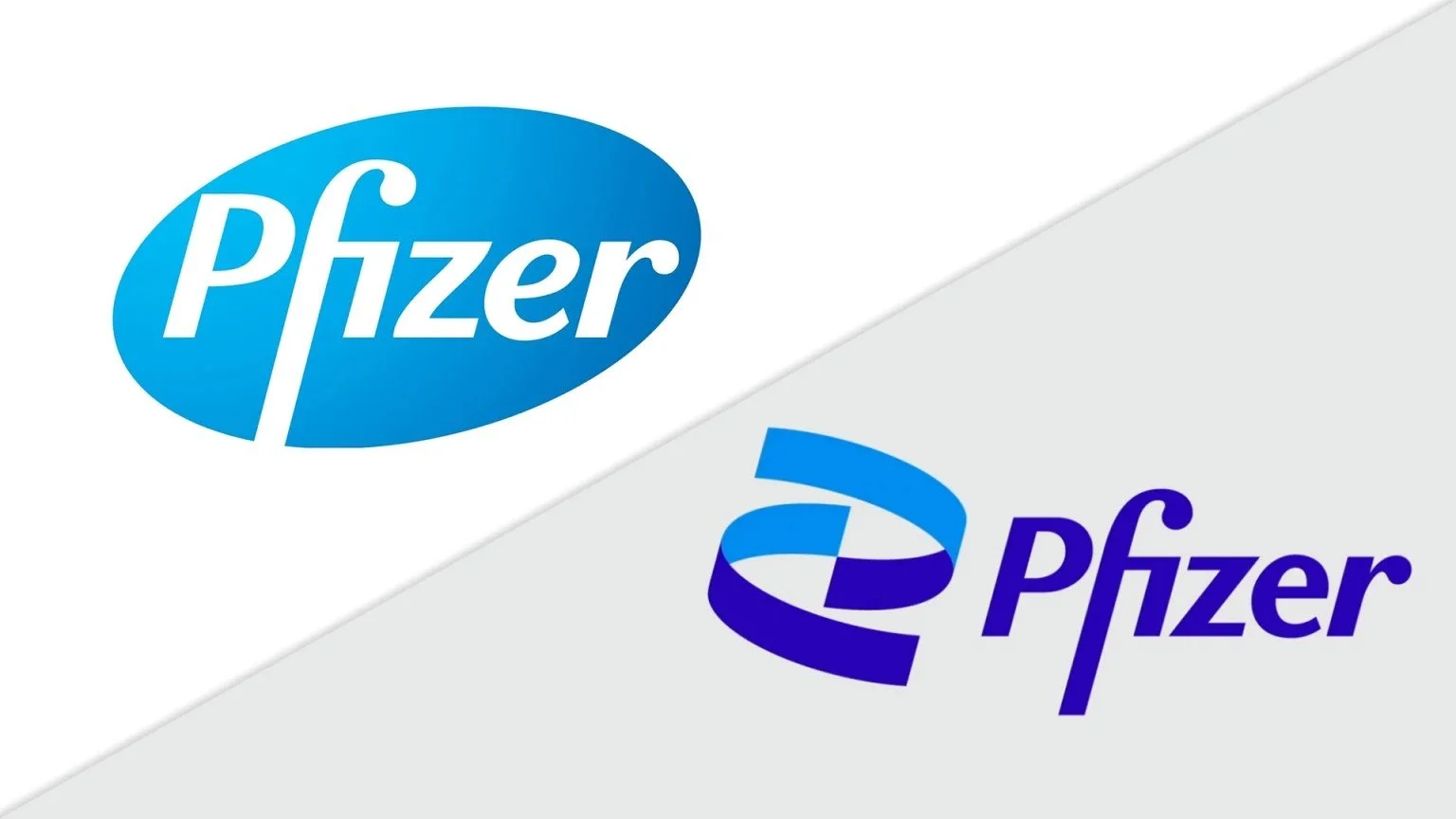
Pfizer Logo and brand history
Pfizer's 2021 rebrand wasn't a facelift. It was a deliberate signal to investors, regulators, and biotech partners that the company had moved beyond its Big Pharma past. Timed to follow the COVID vaccine rollout, Pfizer swapped its static blue oval for an upward-spiraling DNA helix — visually anchoring the brand to mRNA innovation, gene editing, and biotech precision.
Paired with the "Science Will Win" campaign, it locked in a narrative of R&D leadership. Procurement teams now associate the helix with cutting-edge medicine, not generics. Clean global rollout, no backlash, instant recognition — a pure enterprise trust builder.
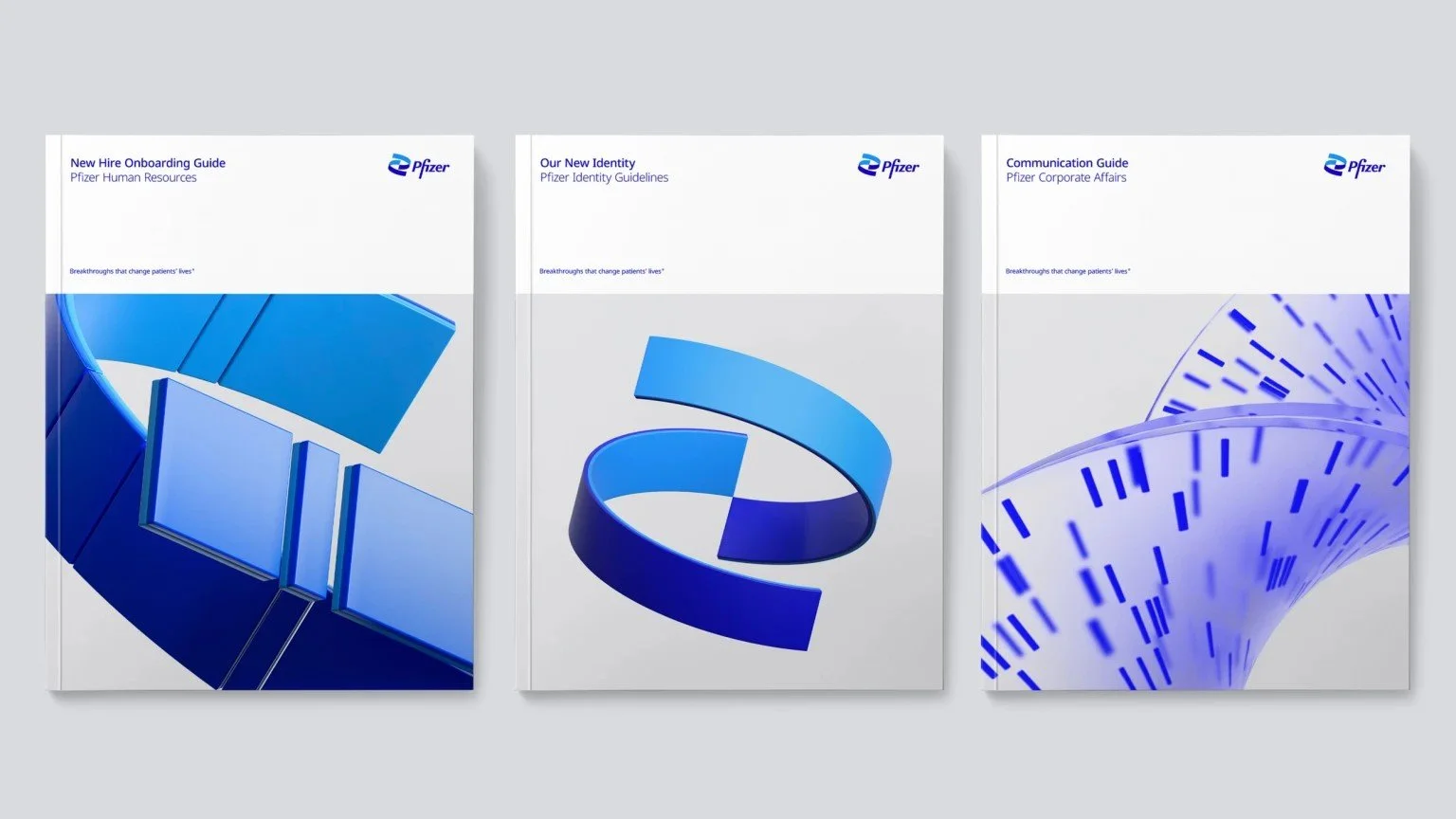
Pfizer's brand system and collateral are a prime example of how sophisticated brand language elevated it to the status of an international powerhouse.
The Rebrands That Cost Millions
The brands that burned millions didn't fail because of bad design. They failed because they made a promise the business couldn't keep.
WW’s Wellness Gamble: How Ditching “Weight” Caused a $250M Strategic Wipeout

WW's new identity looked like every other wellness brand — because it was trying to be. When you stand for everything, you stand for nothing.
In 2018, Weight Watchers rebranded to WW and pivoted from weight loss to vague "Wellness That Works" positioning—chasing the $1.5T wellness market.
The result was catastrophic.
Loyal customers who wanted results fled in confusion.
No new customers filled the void.
The company swung from profitability to a $250M loss on $1B in revenue. Stock dropped 34%. Six hundred thousand subscribers disappeared in six months. Even Oprah's involvement couldn't stop the bleed. By 2022, new CEO Sima Sistani reversed course and returned the brand to its original promise.
The B2B lesson: diluting your single-minded promise for buzzwords kills faster than stagnation.
When a New Name Can’t Bury the Past
Blackwater tried to rebrand twice. It didn’t work either time.
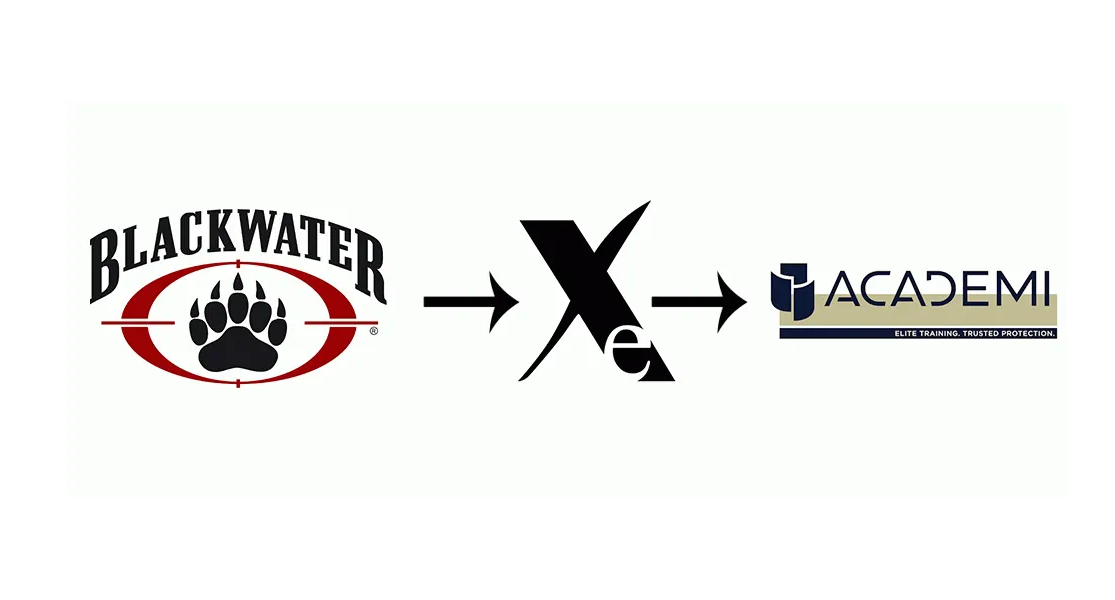
Blackwater's rebranding initiatives
In the world of crisis management, there’s a tempting belief:
If the name is toxic, change the name.
Distance the company from the scandal.
Give the public something new to look at.
Blackwater tried exactly that — not once, but twice.
After becoming one of the most controversial private military contractors in modern history, Blackwater rebranded to Xe Services in 2009, then Academi in 2011. New names. New logos. Millions in PR.
The baggage didn't disappear. It followed. No rebranding exercise could untangle the web of distrust that had built up. By 2014, the company filed for bankruptcy. Two rebrands, millions spent, and the same ending…
You can rename a company, but you cannot rename its history.
What Your C-Suite Actually Cares About
When you get in front of a CEO, managing partner, or CFO, remember: they don’t buy rebrands. They buy risk reduction and probability of success. They respond to:
Risk mitigation—How will this process protect us from a WW or Blackwater scenario? How are we testing, validating, and phasing
Probability of success — What evidence do we have that this direction will resonate with our market, talent, and partners?
Proof of precedent—Case studies, before/after examples, and measurable outcomes: awareness, pipeline, retention, and pricing power.
A dazzling capabilities deck and inspirational mood boards are not enough.
How to Talk About Rebranding So Leadership Listens
The instinct is to open with the creative. Resist it. Lead with the business case. Instead of "We need a more modern look” or “The logo feels dated”—try:
“We’re losing deals because our brand doesn’t match the caliber of our work.”
“Our current brand is limiting how we talk about our newer, higher-value services.”
“This rebrand is a way to protect and grow our market share over the next 3–5 years.”
Frame your work in terms of brand risk strategy, not creative exploration. Business outcomes, not visual preferences. Evidence and precedent, not opinion. That’s the language your senior stakeholders already think in.
Frame your work in terms of brand risk strategy, not creative exploration. Business outcomes, not visual preferences. Evidence and precedent, not opinion. That’s the language your senior stakeholders already think in.
Right now, the climate is all about risk mitigation.
Budgets are scrutinized. Every major initiative is expected to defend itself in terms of:
Risk · Return · Timeline · Evidence
So when you walk into that room, remember:
Creativity is the starting point, not the selling point.
Your job is to make a bold move feel like a safe, strategic investment.
The story you tell around risk, proof, and outcomes is as important as the visuals you present.
Diagnosis Before Direction
Diagnosis Before Direction
Every failure in this article started the same way: a decision made too early. Before anyone truly understood what customers valued, whether the business could deliver on a new promise, or even what was actually broken in the first place.
The brands that burned millions didn’t lack creativity or budget.
They lacked intelligence — the kind that comes from genuinely understanding your market position, your customer perception, and the gap between where your brand stands today and where it needs to go.
Rebranding is not the first step. Diagnosis is.
If you’re sensing that something in your brand is quietly misaligned, the most valuable investment you can make isn’t in a new logo and brand assets.
It’s in understanding what’s actually there before you commit to a direction that costs millions to reverse.
Brand DeepScan™ was built for exactly this — giving leadership the insights to move with confidence.
Before you rebrand, find out what's actually there.
we know how to build brands that perform.
Our team keeps your website secure, fast, and built for growth — so you can focus on what matters most.Schedule with Limor today to gain clarity on where to invest your marketing budget for maximum brand impact and long-term growth.

Limor Morgenstern
Author
Limor Morgenstern
Brand Expert for Global Brands | Multifaceted Creative Leader | Brand & Product Experience
With over 16 years of experience, Limor has become a distinctively inspiring powerhouse of strategic and creative thinking. Her deep grasp and forward-thinking about business objectives have enabled her to create enduring brands, distinctive websites, and exceptional multi-layered digital systems for Fortune 100 companies. Her experience spans consumer goods, technology, real estate, biotech, energy, media, and financial services. See more

Jonathan Morgenstern
Editor
Jonathan Morgenstern- Editor | Strategic Planning | Human Behavior | Organizational DNA
Jonathan has leveraged his insightful understanding of human behavior and interpersonal relationships to understand organizational thinking, structure and process, as well as how the market responds to human needs and desires. Jonathan’s integrative thinking and advanced communication capacity also manifest as efficient and effective content writing. See more
